Case 2.15
Religion in administration
21:34
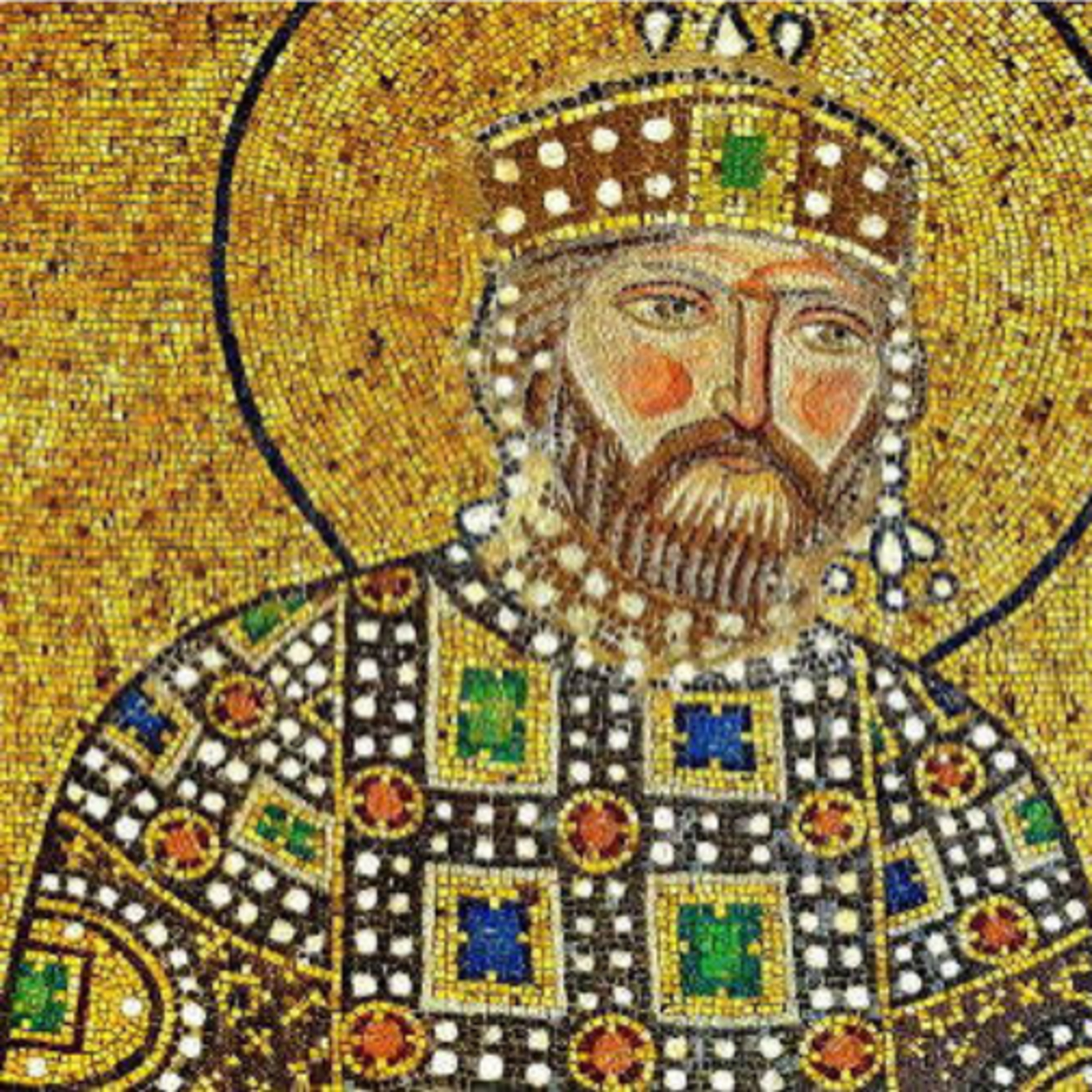
The Byzantine administration operated as a absolute theocracy where state and church were inextricably linked under the principle of symfonia. The Emperor, viewed as God’s supreme representative on earth, held absolute authority over both political laws and ecclesiastical doctrines, frequently appointing patriarchs and convening church councils to enforce religious uniformity. Orthodoxy served as the ultimate political glue; consequently, theological heresy was legally classified as treason against the state, and the civil bureaucracy actively utilized missionary diplomacy and monastic networks to project imperial power and govern domestic society.
 Apple Podcasts
 Audible
 Castbox
 Castro
 Deezer
 Goodpods
 Overcast
 Pocket Casts
 Podbean
 Podcast Addict
 Spotify
 YouTube